York County Shooting in Pennsylvania: Three Officers Killed, Two Injured in Domestic-Related Gunfire


Pennsylvania shooting 2025
York County Shooting in Pennsylvania: Three Officers Killed, Two Injured in Domestic-Related Gunfire

A deadly shooting in York County, Pennsylvania, has left three police officers dead and two others critically wounded, following a domestic-related investigation that turned violent. The incident occurred on September 17, 2025, in North Codorus Township, a quiet rural community shaken by the sudden loss.

Police were following up on a domestic case when they arrived at a residence near Haar and Emig Roads. As they attempted to serve a warrant, the suspect opened fire, hitting five officers. Law enforcement returned fire, killing the gunman.

  • Three officers died at the scene

  • Two officers hospitalized in critical condition

  • Suspect fatally shot by police

The motive remains unclear, and the suspect’s identity has not been released.

The response included personnel from:

  • FBI Philadelphia

  • ATF

  • Pennsylvania State Police

Governor Josh Shapiro and Attorney General Pam Bondi pledged full support, with Shapiro calling the day “devastating” for the state. Bondi condemned the violence and emphasized federal assistance for local law enforcement.

The injured officers were taken to WellSpan York Hospital, which remains under heightened security. Meanwhile, the Spring Grove Area School District issued a temporary lockdown as a precaution, though no students were harmed.

Local officials described the scene as chaotic and heartbreaking. Over 30 emergency vehicles responded, and residents were urged to avoid the area. Lieutenant Governor Austin Davis posted a message of solidarity:

“We grieve for the families of the fallen and pray for the recovery of the injured.”

The Pennsylvania shooting in York County is a tragic reminder of the dangers faced by law enforcement officers, especially during domestic-related calls. As the investigation unfolds, the community mourns the loss of three heroes and hopes for the recovery of the wounded. The incident has reignited conversations about officer safety, mental health, and the need for stronger support systems.

For full details and ongoing coverage, refer to and . Let me know if you’d like a timeline graphic or a deeper dive into domestic-related police protocols.
Read more

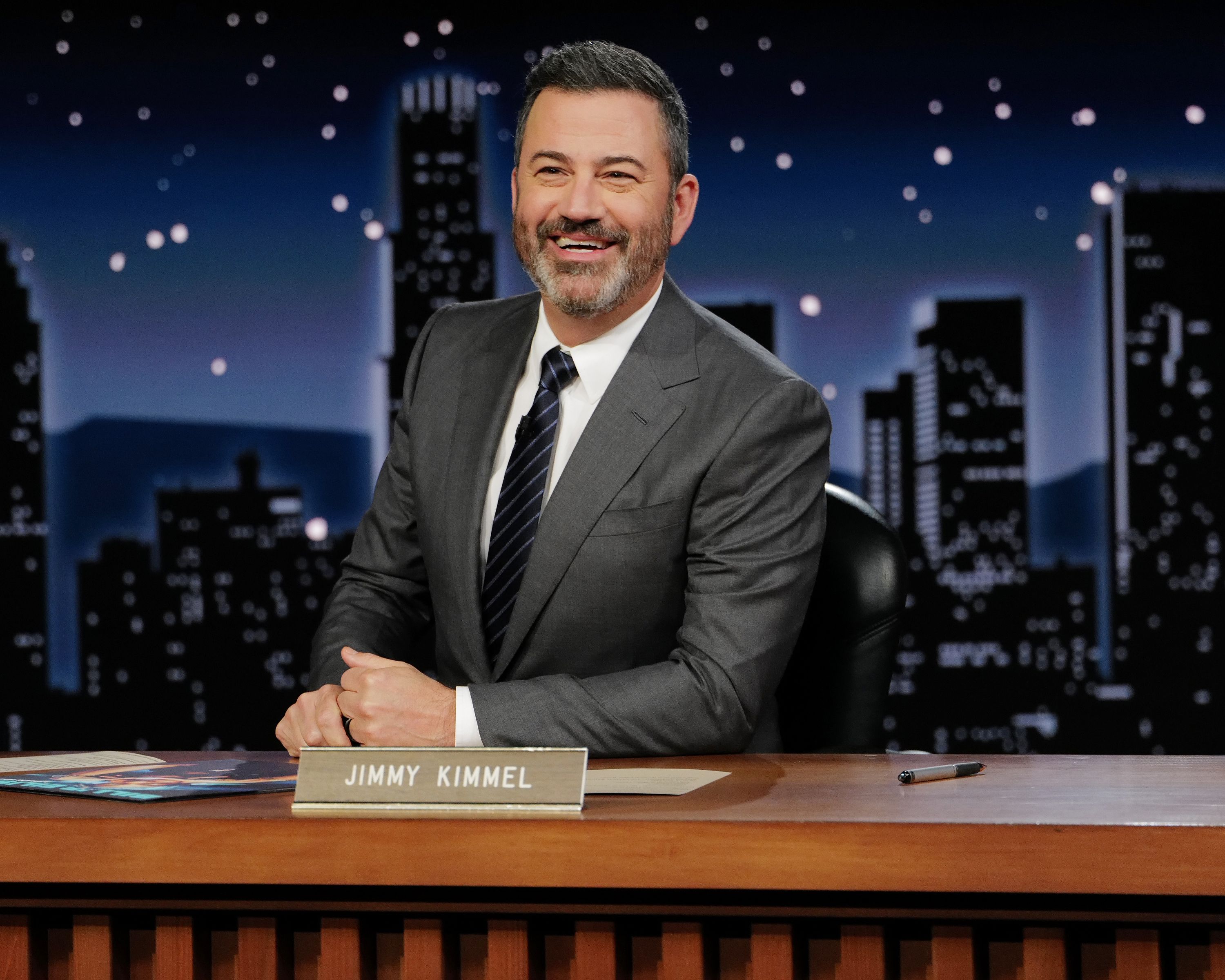
Jimmy Kimmel Live! Pulled Off Air Following Controversial Remarks About Charlie Kirk’s Death

ABC has suspended Jimmy Kimmel Live! indefinitely

 In a dramatic turn of events, ABC has suspended Jimmy Kimmel Live! indefinitely following widespread backlash over the host’s remarks about the recent assassination of conservative activist Charlie Kirk. The decision, announced on September 17, 2025, comes amid mounting criticism from political leaders, broadcast affiliates, and regulatory officials.

During the September 15 broadcast, Jimmy Kimmel addressed the killing of Charlie Kirk, who was fatally shot while speaking at a university event in Utah. In his monologue, Kimmel criticized the political response to the tragedy, saying:

“We hit some new lows over the weekend with the MAGA gang desperately trying to characterize this kid who murdered Charlie Kirk as anything other than one of them and doing everything they can to score political points from it.”

The shooter, Tyler Robinson, was arrested and charged with first-degree murder. Prosecutors say Robinson’s father reported that his son believed Kirk was “spreading hate” and had become increasingly radicalized.

Kimmel’s comments were seen by many as insensitive and politically charged, especially given the gravity of the incident.

Shortly after the episode aired, Nexstar Media Group, which owns a large number of ABC affiliates, announced it would preempt Jimmy Kimmel Live! “until further notice”, citing the segment as “inappropriate and inflammatory.”

ABC followed suit, confirming that the show would be pulled from its lineup indefinitely, stating:

“Given the nature of the remarks and the current climate, we believe pausing the broadcast is in the public interest.”

No replacement programming has been announced, and the future of the show remains uncertain.

Federal Communications Commission Chairman Brendan Carr weighed in, suggesting that broadcasters who continue airing Kimmel’s show could face increased scrutiny. In a podcast interview, Carr said:

“There are ways for networks to take action on Kimmel—or the FCC may need to step in.”

His comments have sparked debate over government involvement in media regulation, with critics warning of potential First Amendment violations.

The suspension has ignited a firestorm of reactions across social media and political circles:

  • Ben Stiller tweeted: “This isn’t right.”

  • President Donald Trump praised the cancellation on Truth Social, calling Kimmel “a disgrace to television.”

  • Billy Bush posted: “The First Amendment doesn’t exist in America anymore. Fascism is here and it’s chilling.”

Supporters argue that Kimmel’s remarks were part of political satire, while detractors say they crossed a line during a time of national mourning.

Sources close to the show say Kimmel had planned to clarify his comments on the following night’s episode, explaining that his criticism was aimed at political spin—not the tragedy itself. However, the show was pulled before he could respond publicly.

ABC has not indicated whether Kimmel will be allowed to issue a formal statement or return to air.

The controversy surrounding Jimmy Kimmel Live! raises broader questions about the role of political satire in late-night television. With The Late Show with Stephen Colbert recently canceled and pressure mounting on NBC to drop Seth Meyers and Jimmy Fallon, networks are reevaluating the risks of politically charged content.

Broadcasters are increasingly cautious about segments that could provoke regulatory action or alienate viewers in polarized markets.

The indefinite suspension of Jimmy Kimmel Live! following controversial remarks about Charlie Kirk’s death marks a pivotal moment in the relationship between media, politics, and public accountability. As networks navigate the fine line between satire and sensitivity, the future of late-night commentary hangs in the balance.

For full coverage and updates, explore , , and . Let me know if you’d like a media ethics analysis or a curated timeline of late-night controversies.

Read more

Federal Reserve Interest Rate Cut in 2025: What It Means for the Economy, Markets, and Borrowers

Federal Reserve Interest Rates

 In a pivotal move this September, the Federal Reserve lowered its benchmark interest rate for the first time in 2025, signaling a shift in its monetary strategy amid signs of economic softening. The 0.25% rate cut, which brings the federal funds target range down to 4.0%–4.25%, reflects growing concerns over a cooling labor market and persistent—but manageable—inflation.

This decision marks a turning point for the Fed, which had maintained elevated rates throughout the year to combat inflation. Now, with unemployment ticking upward and growth slowing, policymakers are recalibrating their approach.

Why the Fed Is Easing Rates Now

Several factors contributed to the Fed’s decision to cut rates:

  • Labor market slowdown: Unemployment rose to 4.3%, with forecasts suggesting it could reach 4.5% by year-end.

  • Inflation moderation: While inflation remains slightly above the Fed’s 2% target, it has shown signs of stabilization.

  • Political pressure: President Donald Trump has publicly pushed for deeper rate cuts, and his recent appointment of Stephen Miran to the Fed Board added a dissenting voice favoring more aggressive easing.

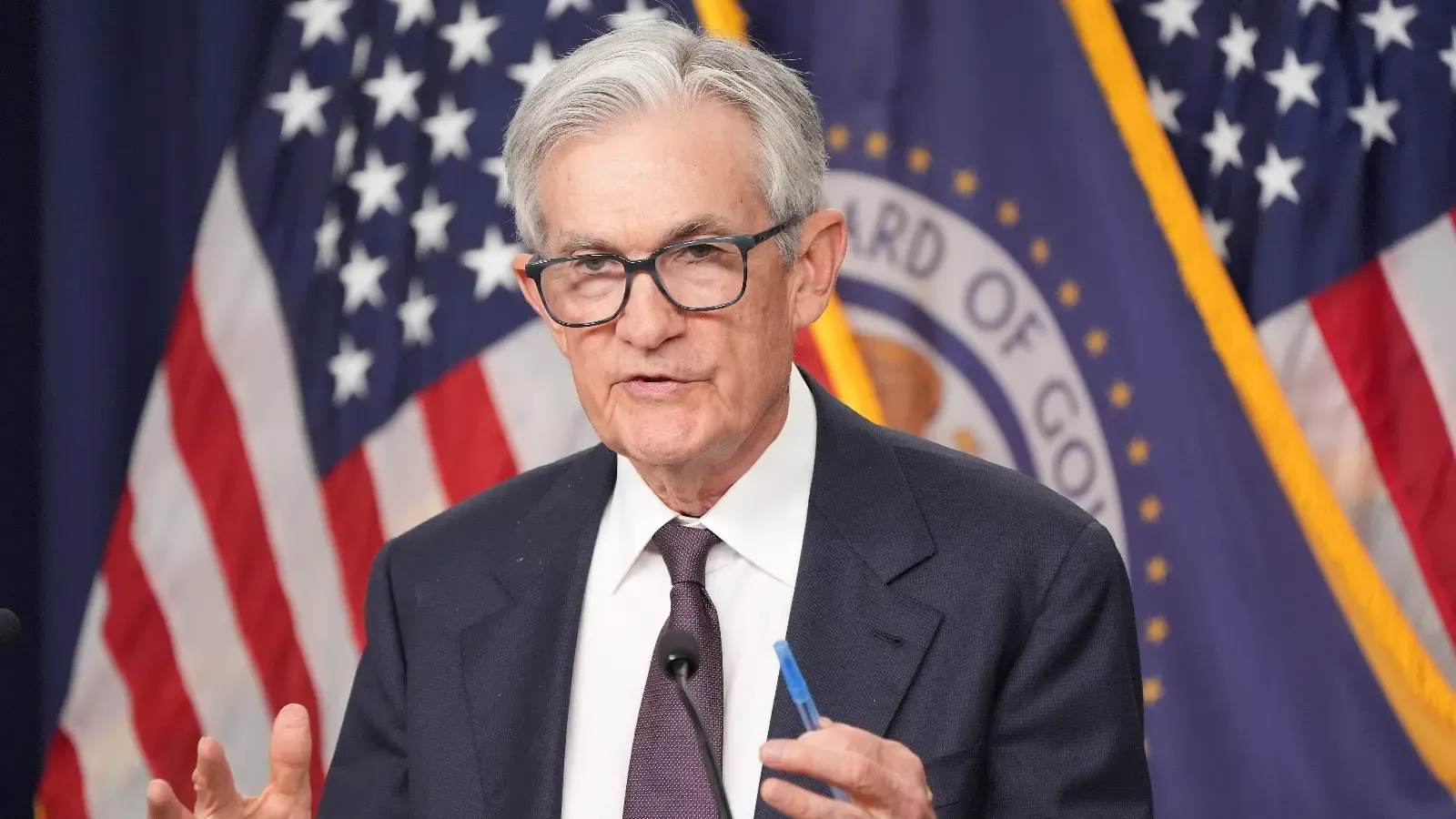
Despite political tensions, Fed Chair Jerome Powell emphasized the central bank’s independence, stating that decisions are guided by economic data—not external influence.

Economic Impact of the Rate Cut

The Fed’s rate reduction is expected to ripple across the economy:

  • Lower borrowing costs: Mortgage rates, auto loans, and business credit lines are likely to become more affordable.

  • Stock market reaction: Equities rallied on the news, though tech stocks showed mixed performance amid global uncertainty.

  • Housing market boost: Lower rates could revive homebuying activity, especially in regions hit by high interest costs.

  • Currency effects: A softer dollar may support U.S. exports but could raise import prices.

Fed’s Outlook: More Cuts on the Horizon?

According to the Fed’s latest projections, officials anticipate two additional rate cuts before the end of 2025, followed by another in 2026. This gradual easing path is designed to support employment while keeping inflation in check.

However, internal divisions remain:

  • Stephen Miran advocated for a 0.5% cut, citing recession risks.

  • Governor Jeffrey Schmid opposed any cut, warning of inflation resurgence.

  • The September meeting saw three dissenting votes, a rare occurrence that underscores the complexity of the Fed’s current challenge.

Political Tensions and Fed Governance

The rate cut comes amid heightened scrutiny of the Fed’s independence:

  • President Trump’s attempt to remove Governor Lisa Cook sparked legal battles, though courts have allowed her to remain.

  • A proposed Senate bill aims to shield the Fed from executive interference.

  • Powell’s leadership is under pressure, with speculation about his future as Chair when his term ends in May 2026.

These developments raise questions about the balance between central bank autonomy and political influence.

What It Means for Consumers and Businesses

For households and companies, the Fed’s rate cut offers both opportunities and challenges:

  • Borrowers may benefit from lower interest rates on credit cards, personal loans, and mortgages.

  • Savers could see reduced returns on deposits, prompting shifts toward stocks or bonds.

  • Small businesses may find it easier to access capital for expansion and hiring.

  • Investors will closely watch future Fed moves to gauge market direction.

The Federal Reserve’s September 2025 rate cut reflects a strategic pivot in response to evolving economic conditions. As inflation cools and job growth slows, the Fed is walking a tightrope—easing just enough to support the economy without reigniting price pressures.

With more rate cuts likely and political dynamics intensifying, the Fed’s decisions will continue to shape the financial landscape well into 2026.

For official updates and deeper analysis, explore the , , and . Let me know if you’d like a simplified explainer or a visual timeline of Fed rate decisions.

Read more