Arthur Jones Cause of Death Linked to Heart Condition

 The sports world was stunned by the sudden death of Arthur Jones, a former NFL defensive lineman and Super Bowl champion, who passed away on October 3, 2025, at the age of 39. Known for his powerful presence on the field and his close ties to athletic siblings Jon “Bones” Jones and Chandler Jones, Arthur’s untimely passing has sparked widespread mourning and curiosity about the cause of death.

Arthur Jones Cause of Death

 What Caused Arthur Jones’ Death?

According to reports from NewsChannel 9 Syracuse and Onondaga County officials, Arthur Jones died from a heart-related issue. He had a pre-existing heart condition and was fitted with a pacemaker, which triggered a medical alert on the morning of his death. Emergency services responded to his home in Pompey, New York, just before 11 a.m., but Jones had already passed away.

  • Date of death: October 3, 2025

  • Age: 39

  • Cause: Heart-related condition; pacemaker activation

  • Location: Pompey, New York

There were no signs of foul play, and the death was described as sudden but medically explainable.

Arthur Jones’ NFL Legacy

Jones played seven seasons in the NFL, appearing in 64 games and recording 10 sacks, not including his pivotal sack in Super Bowl XLVII, where the Baltimore Ravens defeated the San Francisco 49ers. He also played for the Indianapolis Colts and Washington Commanders before retiring in 2017.

  • Drafted: 2010 by the Baltimore Ravens

  • Super Bowl Champion: 2013

  • Retired: 2017

Arthur was the eldest brother of UFC legend Jon Jones and NFL star Chandler Jones. He was known for his loyalty, leadership, and love for family. His wife, Camille, and their two sons were frequently mentioned in tributes from teammates and coaches.

Coach John Harbaugh of the Ravens praised Jones as “a dedicated teammate, a relentless worker, and someone any coach would be proud to lead.”

Jones’ heart condition had been managed with a defibrillator and pacemaker, which automatically alerted his doctor when triggered. Unfortunately, despite the alert, EMS arrived too late to save him. The incident highlights the importance of early detection and rapid response in cardiac emergencies.

Tributes poured in from across the NFL and MMA communities. Former teammates, fans, and sports figures remembered Jones for his infectious energy, radiant smile, and generous spirit. The Baltimore Ravens shared heartfelt messages on social media, honoring his contributions both on and off the field.

Arthur Jones’ death is a tragic reminder of the hidden health risks athletes may face, even after retirement. His legacy as a Super Bowl champion, family man, and beloved teammate will live on in the hearts of fans and fellow athletes.

Read more

Did Ed Gein Help Catch Ted Bundy? Unraveling the Myth Behind Two Infamous Killers

 The names Ed Gein and Ted Bundy are etched into the annals of American criminal history. Gein, the inspiration behind fictional characters like Norman Bates and Leatherface, was arrested in 1957. Bundy, one of the most notorious serial killers of the 20th century, was active in the 1970s. Despite their infamy, a persistent myth circulates online: Did Ed Gein help catch Ted Bundy?

Did Ed Gein Help Catch Ted Bundy?


The short answer is no—but the origins of this rumor are worth exploring.

 Who Was Ed Gein?

Ed Gein was a reclusive man from Plainfield, Wisconsin, whose crimes shocked the nation in the late 1950s. He was convicted of murdering two women and was found to have exhumed corpses from local cemeteries to create macabre household items. Gein was declared legally insane and spent the rest of his life in a mental institution.

  • Arrested: 1957

  • Declared insane: 1958

  • Died: 1984 in Mendota Mental Health Institute

Who Was Ted Bundy?

Ted Bundy was a charismatic and manipulative serial killer who confessed to murdering over 30 women across multiple states in the 1970s. He was arrested several times, escaped custody twice, and was ultimately executed in 1989.

  • Active years: 1974–1978

  • Arrested: 1978

  • Executed: 1989 in Florida State Prison

Did Their Paths Cross?

There is no historical evidence that Ed Gein and Ted Bundy ever met, communicated, or were involved in each other’s cases. Gein was institutionalized in Wisconsin while Bundy operated in states like Washington, Utah, Colorado, and Florida. Their crimes were separated by decades and geography.

Origins of the Myth

The myth likely stems from:

  • Pop culture confusion: Both killers inspired horror films and documentaries.

  • Internet speculation: Social media and forums often blur timelines and facts.

  • Psychological profiling: Some assume Gein’s case influenced FBI profiling used to catch Bundy, but this is indirect.

While Gein’s case contributed to early criminal psychology studies, it did not directly aid in catching Bundy. Bundy was apprehended through traditional police work, eyewitness accounts, and forensic evidence—not through insights from Gein’s crimes.

The idea that Ed Gein helped catch Ted Bundy is a myth. While both men are infamous in true crime history, their lives and crimes were separate. Understanding their timelines and legal outcomes helps clarify this persistent misconception.

Read more

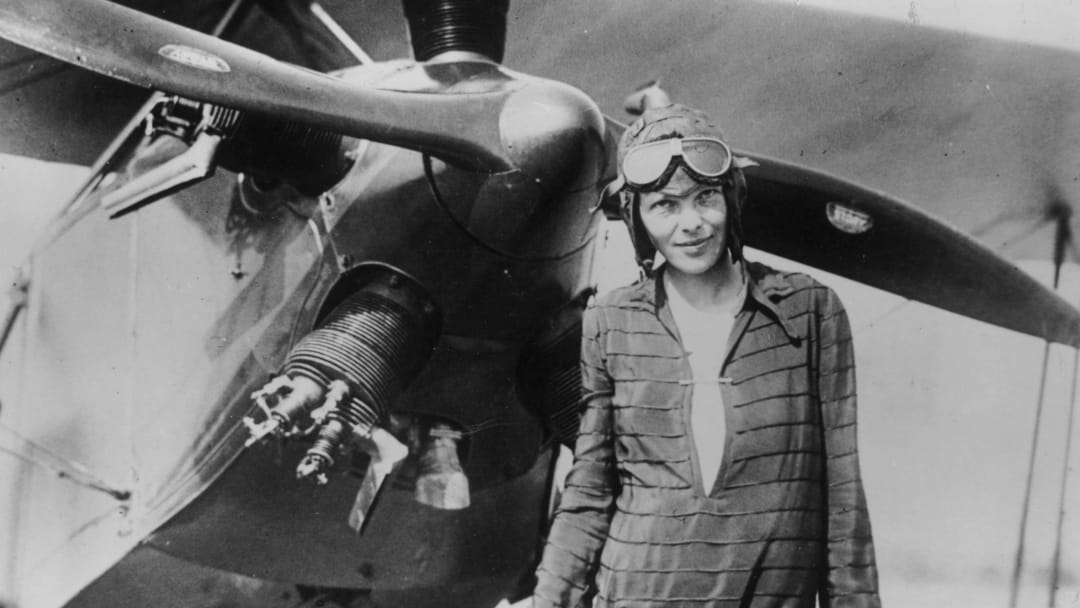
Amelia Earhart’s Plane Possibly Found in Pacific Lagoon—Expedition Launches to Confirm Wreckage

 A major breakthrough may be underway in the search for Amelia Earhart’s missing plane, as researchers prepare to investigate a submerged object in the lagoon of Nikumaroro Island, believed to be the wreckage of her Lockheed Electra 10E. The discovery could finally solve the mystery surrounding Earhart’s disappearance in 1937.

Amelia Earhart’s Plane Possibly Found in Pacific Lagoon


The Taraia Object is a visual anomaly spotted in satellite images in 2020 and confirmed in aerial photos from 1938. Located in a lagoon on Nikumaroro Island, the object resembles parts of an aircraft and may be Earhart’s lost plane.

Expedition Details

Led by Purdue University and the Archaeological Legacy Institute, the expedition will:

  • Sail 1,200 nautical miles from Majuro to Nikumaroro

  • Use sonar and magnetometers to scan the site

  • Dredge and lift the object for identification

  • Document the process with video and photography

The team hopes to confirm the object’s identity and potentially recover the aircraft.

Amelia Earhart worked at Purdue University and received funding for her aircraft from the university’s aeronautical research program. If the plane is recovered, Purdue plans to bring it back to Indiana as part of Earhart’s legacy.

While some experts are optimistic, others remain skeptical. Previous searches yielded no results, but researchers believe recent environmental changes may have revealed the wreckage.

Earhart’s disappearance has fascinated the world for nearly 90 years. Confirming the location of her plane would be a historic milestone in aviation and archaeology, offering closure to one of the most enduring mysteries of the 20th century.

Read more